
places to visit
Kidepo Valley National Park – Africa’s True Wilderness
Nestled in Uganda’s remote Karamoja region in the northeast, Kidepo Valley National Park spans 1,442 km² of dramatic savannah interwoven with the rugged peaks of Mount Morungole at 2,750 m Across Wilderness. Gazetted first as a game reserve in 1958 and elevated to national park status in 1962, Kidepo offers an immersive, largely undiscovered sanctuary for wildlife and culture alike.
Kidepo is defined by its two broad valley systems: the semi-arid Kidepo Valley and the wetter Narus Valley, each carved out by their namesake rivers. The valley floors, ranging from 910 to 1,200 m above sea level, transition from acacia-dotted plains to miombo-like woodlands with granite outcrops and seasonal water pools. Access to permanent water, especially in Narus, draws large concentrations of wildlife—making it the prime game-viewing spot
Culture & Wildlife Abundance in a Rare Wilderness
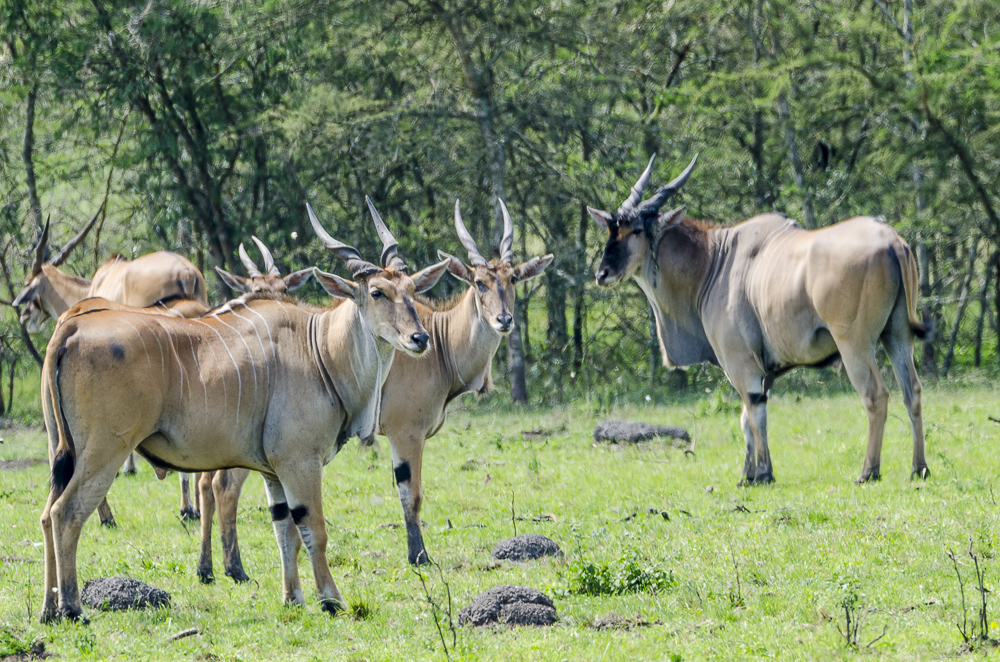
Kidepo ranks among Uganda’s top parks for biodiversity, hosting 77–86 mammal species and around 480–500 bird species. Its carnivore population is rich and rare: lions, leopards, spotted hyenas, cheetahs, and even African wild dogs, along with endemic species like the bat-eared fox, aardwolf, and caracal. Large herbivores flourish too—elephants (over 650 individuals), buffalo (10,000+), Rothschild’s giraffes (~50), plus eland, kudu, hartebeest, zebra, and ostrich. Birdlife is equally diverse—particularly raptors—with around 56 species of birds of prey, and many species unique to the park.
Kidepo lies within the homeland of indigenous communities like the Ketebo (Mening)—its name means “help us”—and the Karimojong. Though they were displaced during park creation, visitors can experience their rich cultural tapestry through traditional dances, homestead visits, and storytelling—an enriching complement to the wildlife experience.
Best time to visit
Dry season (September–March): With water scarce, wildlife congregates around permanent pools, offering optimal game viewing in Narus and Kidepo Valleys. Roads are passable and skies clear.
Rainy season (April–May, June–August): Landscapes transform—lush, green, and dramatic. While some tracks become challenging, birding thrives and tourism is quieter.
Getting There
By road: Roughly 520 km northeast of Kampala via Gulu–Kitgum, including a 116 km spur from Kitgum to Apoka via Karenga. The newly approved upgrade to bitumen will improve accessibility and reduce travel time.
By air: Charter flights connect from Entebbe or Kampala to the park’s Apoka airstrip, making it feasible even for shorter trips.
Start your journey with Lusso Safari Expeditions—we know the forest, we respect its people, and we help you walk its paths with purpose.
Unlock great deals when you book through us!
Other Places to see

Explore Jinja & Mabira Forest, Uganda
places to visit Explore Jinja & Mabira Forest, Uganda Welcome to the adventure capital of East Africa. Located on the northern shores of Lake Victoria and along the banks of the Nile River, Jinja is one of Uganda’s most exciting and diverse travel destinations....

Bwindi Impenetrable National Park: Where Giants Walk in Silence
places to visit Bwindi Impenetrable National Park: Where Giants Walk in Silence In the heart of southwestern Uganda lies one of Africa’s most mystical, ancient, and ecologically diverse rain-forests—Bwindi Impenetrable National Park. A name that echoes adventure and...

Murchison Falls National Park: watch the Nile Roar to Life
places to visit Murchison Falls National Park: Watch the Nile Roar to Life There’s a place in northern Uganda where the world's longest river is squeezed through a gap just 7 meters wide, exploding into a thunderous cascade that sends mist soaring into the air and...