
places to visit
Kibira National Park – The Heart of Burundi’s Rain forest
Crowning the northern highlands of Burundi along the Congo-Nile Divide, Kibira National Park is a magnificent expanse of tropical rainforest, misty hills, and ancient biodiversity. As Burundi’s largest protected natural forest, Kibira is not just a park—it’s a living cathedral of green, rich in both ecological value and cultural heritage. This is the country’s green heart, beating with birdsong, rustling canopies, and the quiet strength of nature.
Spanning over 400 km², Kibira National Park stretches from the Teza and Rwegura tea plantations up to Mount Teza at over 2,600 meters. Perched on Burundi’s Congo-Nile watershed, the park is part of a crucial transboundary ecosystem shared with Rwanda’s Nyungwe Forest.
The terrain is made up of rolling hills, deep valleys, and high-altitude forests that are often shrouded in mist. The air is cool and crisp, and the forest teems with life, making Kibira a vital water catchment area and an irreplaceable ecological stronghold in the face of deforestation and climate change.
Highlights of Kibira National Park
Primate Watching: Kibira is home to a variety of primates, including chimpanzees, colobus monkeys, and baboons, making it ideal for wildlife enthusiasts.
Lush Rainforest Trails: A network of trails weaves through dense forest, bamboo groves, and misty hills, perfect for guided nature walks, hiking, and birdwatching.
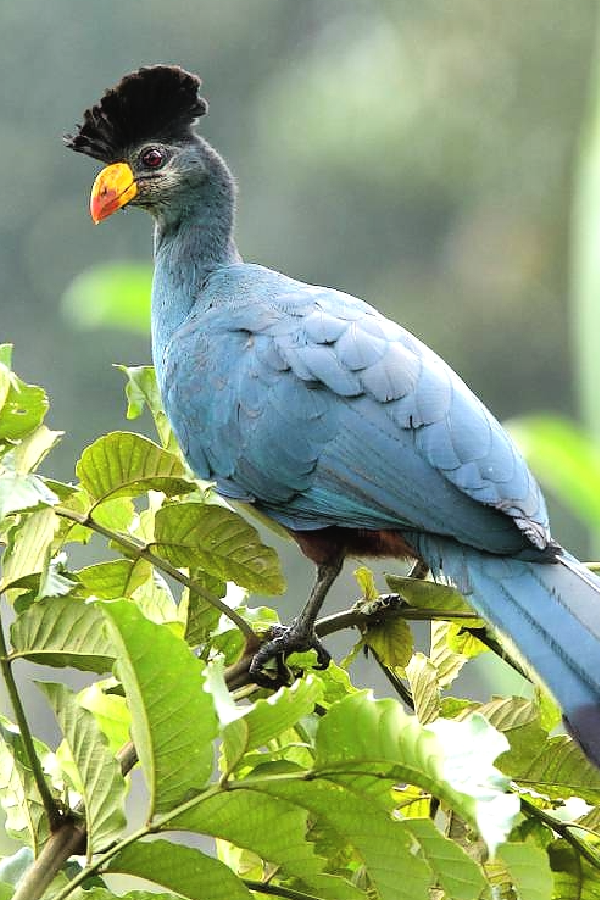
Birdlife: The park boasts over 200 bird species, including great blue turacos, hornbills, and various forest-dwelling species unique to the Albertine Rift.
Ecological Importance: Kibira is a vital part of Burundi’s water system, protecting the sources of rivers that feed the Ruzizi River and Lake Tanganyika.
Cultural and Scenic Beauty: With panoramic views, traditional communities on its fringes, and untouched forest landscapes, Kibira offers a peaceful and enriching experience.
Best time to visit
June to September (Dry Season): Best for trekking and primate tracking, with dry trails and comfortable weather.
October to May (Wet Season): The forest is lush and beautiful, and birdwatching is particularly rewarding.
Getting There
By road: Kibira National Park lies about 50 km north of Bujumbura, near the towns of Muramvya and Kayanza. The drive offers scenic views of tea estates, hills, and valley farmlands.
Nearby access: Many visitors combine a visit to Kibira with nearby Teza tea plantations or explore Rusizi National Park, just a few hours away.
Start your journey with Lusso Safari Expeditions—we know the forest, we respect its people, and we help you walk its paths with purpose.
Unlock great deals when you book through us!
Other Places to see

Burundian Culture – Rich Traditions and Community Spirit
places to visit Burundian Culture – Rich Traditions and Community Spirit Burundi’s culture is a vibrant tapestry woven from centuries of tradition, oral history, music, and communal life. Deeply rooted in Bantu heritage and enriched by influences from neighboring...
Ruvubu National Park – The Wild Heart of Burundi
places to visit Ruvubu National Park – The Wild Heart of Burundi Ruvubu National Park, located in eastern Burundi near the Tanzanian border, is the country’s largest national park, covering over 500 square kilometers of savannah, woodlands, and riverine ecosystems....
Rusizi National Park – The Wetlands of the West
places to visit Rusizi National Park – Burundi’s Wetland Wonderland Just a few kilometers northwest of Bujumbura, where the calm waters of the Rusizi River meet Lake Tanganyika, lies one of Burundi’s most treasured natural sanctuaries: Rusizi National Park. Known for...